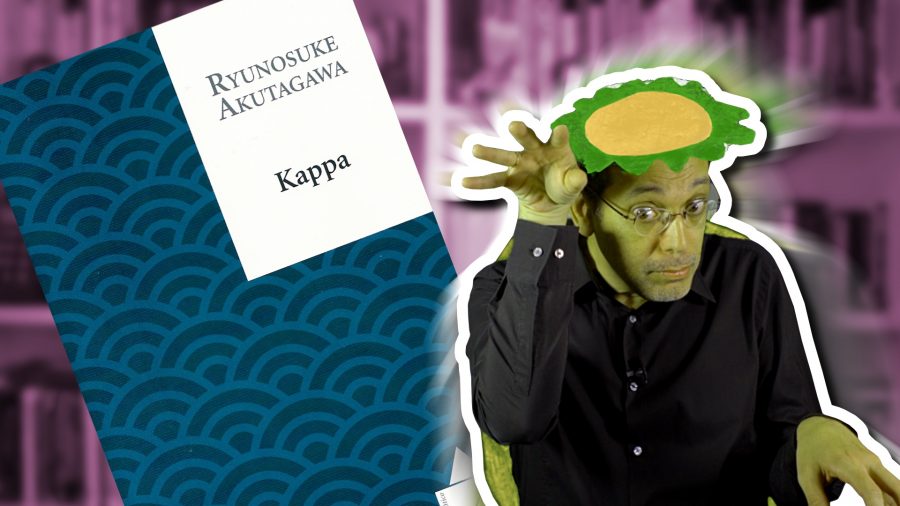
En Kappa, Ryunosuke Akutagawa nos adentra en un mundo fantástico, una visión distorsionada, cómica y exagerada de nuestro mundo real. Parodia de las taras humanas, y más específicamente las costumbres de Japón, es también una historia profundamente melancólica. En mi canal de YouTube recomiendo lecturas que me gustan y que creo que podrían interesar a […] Read More

Viewing: japón
El imperio de los signos, de Roland Barthes
Publicado: 12 octubre, 2017El semiólogo francés Roland Barthes viajó a Japón y luego escribió El imperio de los signos. En mi canal de YouTube recomiendo lecturas que me gustan y que creo que podrían interesar a otros. Si quieres saber cuáles son, suscríbete. Después del vídeo tienes la transcripción del contenido. TRANSCRIPCIÓN El imperio de los signos, de […] Read More
La caza del carnero salvaje, de Haruki Murakami
Publicado: 2 diciembre, 2016Esta es una de mis novelas preferidas de Murakami (también una de las primeras que leí en su edición de Alfaguara). La caza del carnero salvaje es su primera gran novela. Retomando al personaje protagonista, y sin nombre, de Escucha la canción del viento y Pinball 1973, la novela relata una absurda búsqueda de un […] Read More
Sauce ciego, mujer dormida, de Haruki Murakami
Publicado: 6 febrero, 2008Se publica en España la primera recopilación de cuentos de Haruki Murakami. Son 24 relatos que cubren todo un abanico que va desde primeros esfuerzos, cuando sus temas no estaban del todo perfilados, hasta brillantes obras recientes donde el autor se muestra en control absoluto de su talento. Son cuentos ante todo enigmáticos, que se […] Read More
Mis series del 2007 (III): MPD-Psycho
Publicado: 29 diciembre, 2007Es como si a Takashi Miike le hubiesen dicho "Haz esto. El presupuesto es irrisorio, pero a cambio puedes hacer lo que buenamente te venga en gana". Y el hombre les tomó la palabra. Veamos, supuestamente la serie va de un tal Yosuke Kobayashi que un buen día vio como un asesino en serie asesinaba […] Read More
Mis series del 2006 (II): Paranoia Agent
Publicado: 30 diciembre, 2006Cometí el error de comenzar a ver Paranoia Agent un día a las doce de la noche. Fue un error, digo, porque sólo pude irme a la cama tres horas y seis episodios después tras hacer uso de toda mi fuerza de voluntad. Y en realidad, pesó más el deseo de no consumir la serie […] Read More